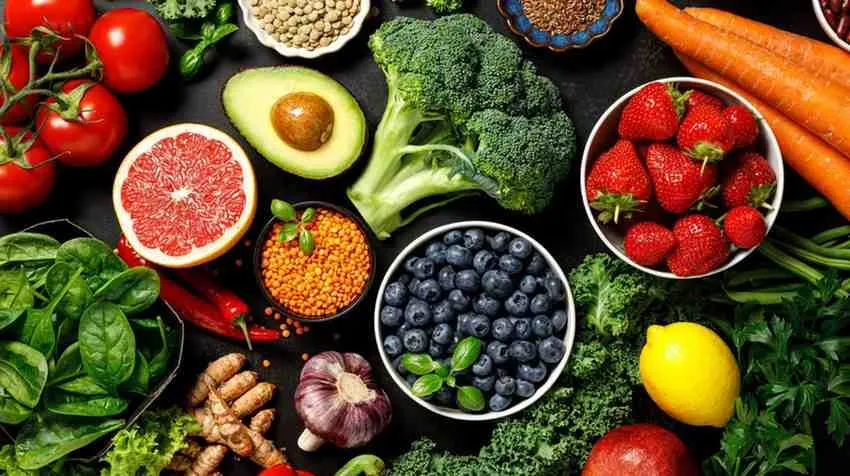
Most of us understand the basics of healthy eating: eat more greens, less fried food, drink enough water. But in the real world, broad advice can be hard to follow. Real change takes action through small, practical food swaps that you incorporate into your daily life and quietly modify the way your body operates.
As Aishwarya Bhatnagar, Co-founder of Better Nutrition, put it: “Nutrition isn’t complicated. It’s those little, consistent adjustments that you make to your plate that keep your liver and heart and gut functioning in concert.”
Here are scientifically supported nutrition tweaks that facilitate liver detox, heart health, and gut balance — without excessive dieting.
Good Foods for Liver Health: Small Shifts, Big Detox Benefits
Your liver is your body’s natural filter, processing toxins, storing nutrients, and regulating energy. Fast-food diets, high in processed foods and sugar, can overwhelm it, though. Fortunately, simple food add-ons might help.
1. Daily addition of bitter foods like methi (fenugreek), karela (bitter gourd), or arugula once daily will set off those detoxing enzymes in the liver.
2. Turmeric + Black Pepper Combo
Curcumin in turmeric has anti-inflammatory and antioxidant properties, but only very little absorption. Combining turmeric with black pepper (piperine) elevates curcumin absorption by up to 2000%, increasing liver support.
3. Try a simple 12-Hour overnight fast (for instance: 8 PM to 8 AM), which gives your liver enough time over the night to heal and rest.
Heart-Healthy Food Swaps That Protect Your Arteries
Your heart beats 24/7 and your food choices can directly affect cholesterol levels, blood pressure, and heart health.
1. Eat a Diet, with a Little Nuts: Walnuts and flaxseeds in particular are high in omega-3 fatty acids which can contribute to better lipid composition and promote heart health.
2. Follow the “3-Colour Plate” Rule
Be sure to include at least three colored vegetables (or fruits) in your meals. Phytonutrients in bright plant foods are necessary to protect blood vessels and reduce inflammation.
3. Smart salt swaps
Replace 50 percent of your daily table salt with salt alternatives that are more alkaline or rock salt-based to promote improved blood pressure homeostasis.
Gut Health Tips: Feed Your Microbiome Naturally
Your gut microbiome can affect digestion, immunity, metabolism, mood, and more. To support it doesn’t necessitate expensive supplements.
1. Eat 30 Different Plant Foods a Week
Research shows that dietary diversity increases gut bacteria’s resilience. Throughout the week, give yourself enough seeds, other fruit, lentils, nuts, and vegetables to carry you through tomorrow.
2. Eat a variety of Indian Foods: Traditional foods are rich in probiotics like curd, dosa batter, kanji, and pickles.
3. Include vegetables– get fibers in the meal before you eat carbohydrates, if possible before meals. This helps slow spikes in blood sugar and nourishes beneficial gut bacteria.
How Liver, Heart, and Gut Health Are Connected
The body is like a system that works together. A well-fed gut lowers the liver’s inflammation level. A functional liver regulates fat and helps maintain good heart health.
A healthy heart ensures adequate blood circulation for the repair of both the gut and liver. Simple food swaps will set off cascade effects for long-term health benefits.
Sample Balanced Day for Liver, Heart & Gut Health
Breakfast: Veggie upma topped with flaxseeds + curd
Lunch: Dal with turmeric and black pepper + seasonal sabzi
Snack: Walnuts with fruit
Dinner: Chapati with rajma and fresh salad
The Bottom Line
Health doesn’t come from crash diets, expensive supplements, or tough food rules. It happens through regular, intelligent food exchanges that feed your liver, protect your heart, and fortify your gut.
Small moves on your plate now can lead to long-standing wellness tomorrow.