
Why Handloom Is Missing From Everyday Fashion Today
National Handloom Day 2026: Discover why handloom is disappearing from daily wardrobes and how modern designs can make it a stylish everyday choice.

L
Lifestyle
NEWS CARD

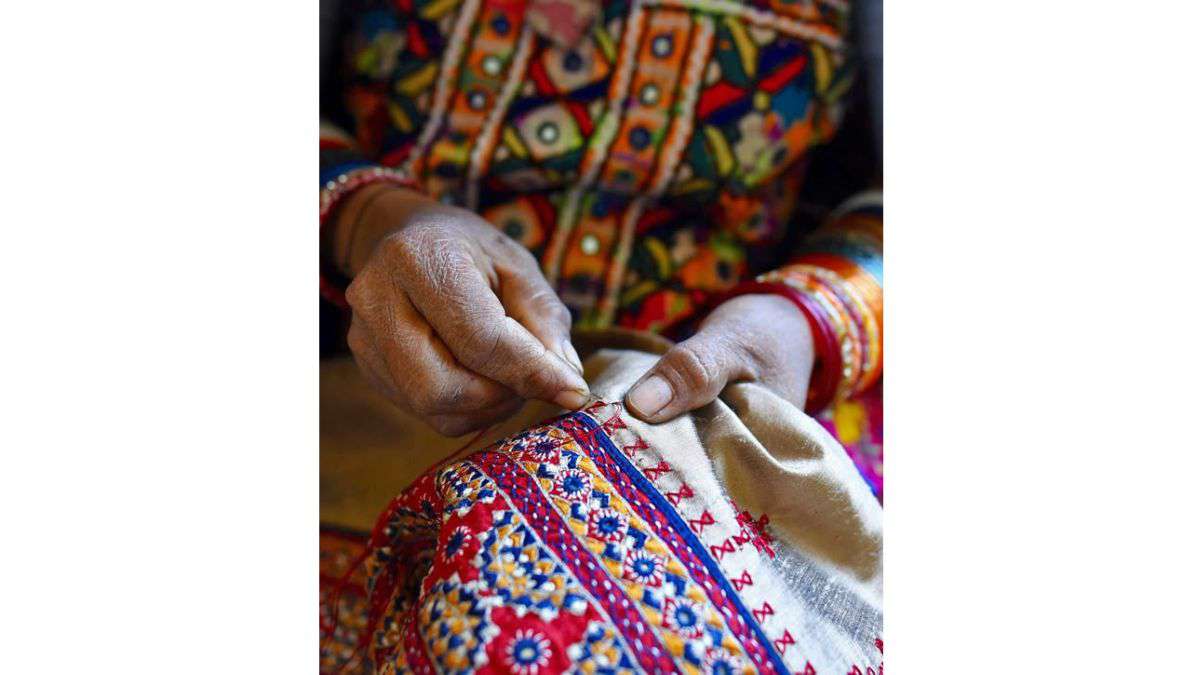
“Why Handloom Is Missing From Everyday Fashion Today”

Read more on
attentionindia.com/s/cbf361
7 Aug 2026
India’s handloom tradition is one of the country’s greatest cultural treasures. Handloom fabrics, from elegant Banarasi sarees to breathable Khadi and vibrant Ikat weaves, have been part of Indian heritage for centuries. Even so, though their appearance and craftsmanship are beautiful, handloom clothes are mostly worn only at weddings, festivals, and on special occasions. Handloom clothing is seldom worn in everyday wardrobes. Why has handloom disappeared from everyday fashion? On National Handloom Day 2026, experts explain why and why this has made handloom disappear from conventional fashion.
Why has Handloom disappeared from everyday fashion?
Nitin Mehrotra, founder of Dressfolk, says that several factors have pushed handloom away from daily wear.
Most skilled weavers live in remote villages where production is limited. Real handloom is made in small quantities and it’s expensive and difficult to get for buyers.
In contrast to machine-made fabrics, handwoven fabric requires days of carefully crafted design and is thus more expensive.
Is Handloom hard to maintain?
For many, there are great admirers that handloom fabrics need special care, and experts say this is one of the biggest misconceptions about handloom fabrics. While premium fabrics like Banarasi silk may need extra attention, cotton handloom fabrics like Khadi, Mangalagiri, and Chanderi are easy to wash and comfortable enough for daily use. As a result of this misperception, buyers often do not choose handloom for daily wear.
Online shopping has presented a trust issue.
Another factor that makes people reluctant to buy handloom is the fact that they are not able to check the fabric before purchasing it online. As fake handloom products are so popular, many shoppers are not able to identify genuine handwoven fabrics. Without the opportunity to touch and feel the fabric, customers are not only avoiding expensive handloom products but are not buying them at all.
Old designs do not always appeal to young buyers.
It is believed that for decades, authentic handloom brands have mostly kept going with traditional designs. And while they’re timeless, they are often not in the fashion of today’s younger generation. Most young professionals would prefer stylish shirts, dresses, jackets, co-ord sets, and comfortable everyday clothing rather than traditional ethnic wear for work or casual outings.
Will Modern Styling bring Handloom Back?
Fashion experts believe that yes. The problem is not the fabric, but the presentation of the fabric.
Handloom fabrics can easily become everyday fashion if they are designed into modern silhouettes like:
Comfortable shirts
Casual dresses
Jackets
Co-ord sets
Everyday kurtas
Relaxed office wear
Younger consumers in the future will find old fabric attractive as long as it is not too much to contend with.
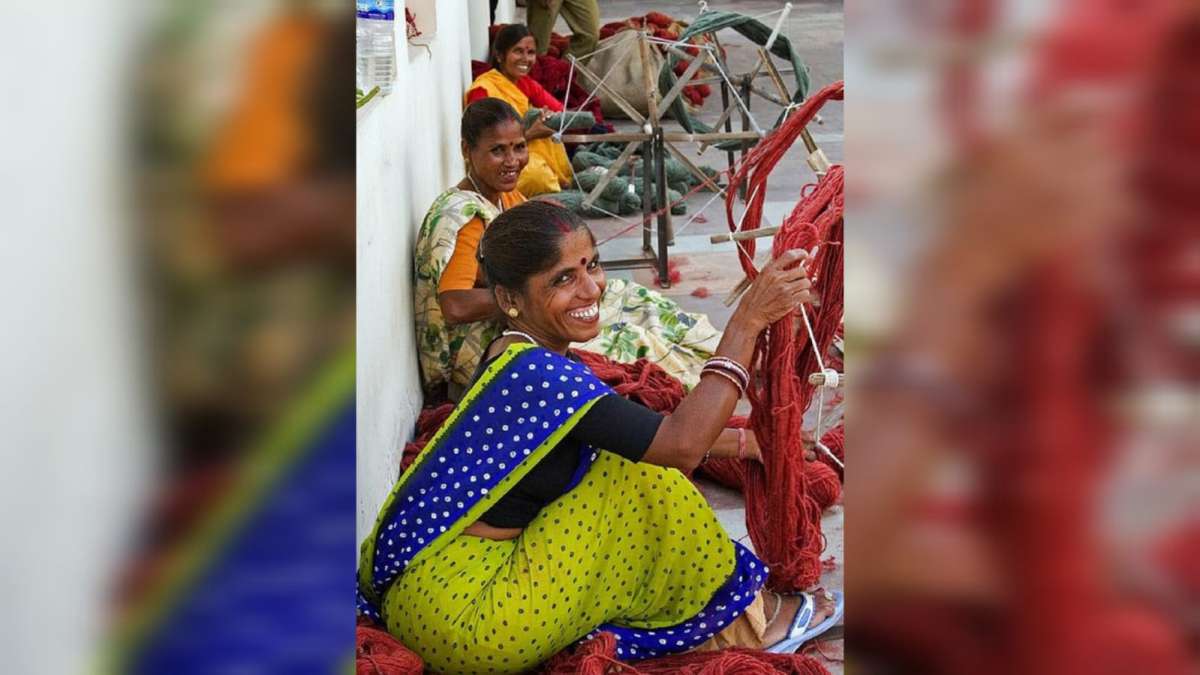
Why Gen Z is slowly rediscovering Handloom
Today’s younger generation values sustainability, comfort, and individuality. Gen Z is more likely to adopt handloom when it’s presented as stylish everyday wear and not just something reserved for festivals, experts say.
A classic Ikat fabric, for example, feels completely different when transformed into a trendy oversized shirt instead of a formal saree. Designers can make Handloom more practical. Designers need to get practical for handloom to be incorporated into everyday life.
Experts recommend breathable natural fabrics that are:
Easy to wash at home
Comfortable for long office hours
Suitable for changing weather
Stylish enough to wear all day
Soft Khadi sets, lightweight Chanderi shirts, and easy-to-style cotton handloom clothing can help to make traditional fabric accessible to modern consumers.
The future of Handloom looks promising.
Handloom isn’t going away—it just needs a fresh identity. To modernize and integrate India’s rich textile heritage with fashion, designers can encourage people to wear handloom beyond festivals and weddings. Modern silhouettes, practical fabrics, low prices, and genuine online shopping experiences could help handloom become a part of everyday wardrobes once again.
National Handloom Day is a reminder that India’s handwoven heritage deserves more than occasional appreciation. Handloom can be a stylish, sustainable, and practical fashion option for the everyday world with modern designs, comfortable fabrics, and easier access to them. Handloom can bring back daily wardrobes and give a new breed of fashion lovers and the old one a chance to get back in touch and love it.
Author
Rahul Varun Verified Public Figure Editor
Rahul Varun is an Editor at Attention India, contributing to the development and publication of engaging news and feature stories. He focuses on clear storytelling, editorial quality, and presenting information in an accessible and reader-friendly manner.