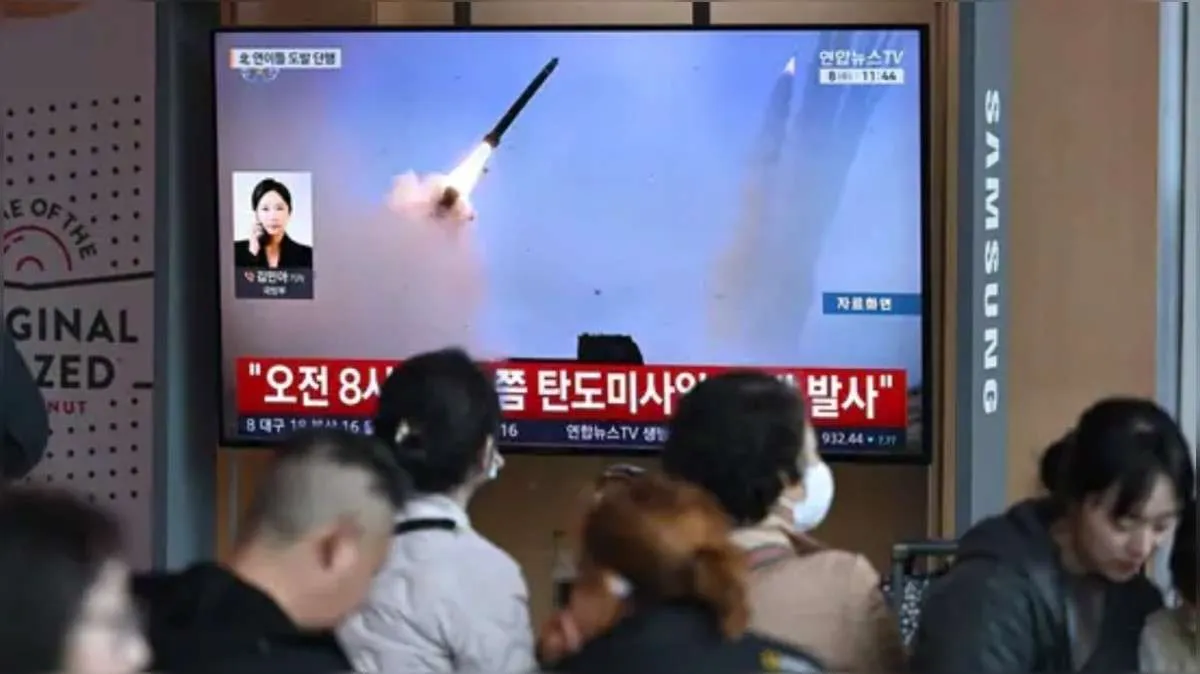
South Korea Holds Emergency Security Meet
The missiles were reportedly launched from Wonsan, a coastal city in North Korea, and each traveled approximately 240 kilometers (150 miles) before splashing down in the waters off the eastern coast. In response, South Korea’s presidential office, the Blue House, quickly convened an emergency meeting of the National Security Council. They condemned the missile launches as provocations that violate UN Security Council resolutions and urged North Korea to halt these tests. The South Korean military reassured the public that they are prepared to respond to any provocations.
Japan PM Office Confirms, Urges Vigilance
Meanwhile, Japan's Prime Minister’s office, led by Sanae Takaichi , confirmed the missile launches via their social media platform, emphasizing the importance of gathering and analyzing information swiftly to keep the public informed.
“North Korea has launched a suspected ballistic missile. More updates to follow,” Takaichi’s office said.
The Japan Coast Guard reported that the latest missile fell into the sea just ten minutes after launch, and Tokyo stated that none of the missiles crossed into its territorial waters or exclusive economic zone.
Japan Issues Security Guidelines
Following the launches, Japanese officials issued comprehensive guidelines for national security.
“Instructions by the Prime Minister in Response to the Missile Launch by North Korea (14:25) 1. Dedicate maximum effort to gather and analyze information, and provide the public with information in a timely and appropriate manner. 2. Ensure the safety of aircraft, vessels, and other assets. 3. Take all possible measures for precaution, including readiness for contingencies,” the official statement said.
NK Calls SK "Hostile Enemy," No Reconciliation
Just a day prior, South Korean forces had observed another missile launch near Pyongyang. However, this particular missile experienced issues shortly after takeoff and disappeared from radar, indicating a potential failure during its initial flight phase.
The recent missile tests come amid North Korea's firm stance against improving relations with South Korea. Senior North Korean official Jang Kum Chol declared this week that South Korea remains Pyongyang’s “most hostile enemy,” firmly dismissing any hopes for reconciliation. Interestingly, just a few days ago, Kim Jong Un had praised South Korean President Lee Jae-myung for expressing regret over alleged drone incursions into North Korea, describing the gesture as one of “courage and sincerity,” while also warning of strong consequences should similar incidents occur again.