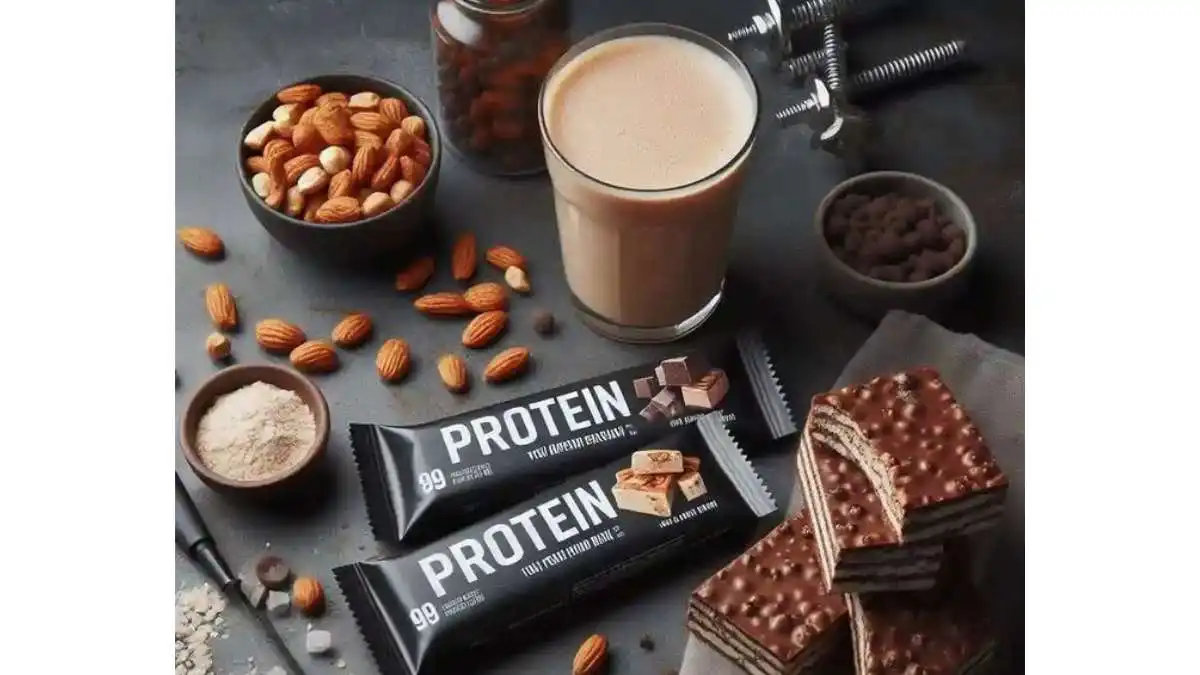
Protein Foods Are Trending, But Are They Really Healthy?
Protein-infused foods are everywhere, but are they healthy? A nutrition expert explains the benefits, risks and how to read labels before buying.
Rahul VarunVerified Public Figure • 30 Apr, 2026Editor
calendar_today Aug 13, 2026schedule 3:25 PMchat_bubble 0
L
Lifestyle
NEWS CARD
“Protein Foods Are Trending, But Are They Really Healthy?”
Read more onattentionindia.com/s/fcc2c5
13 Aug 2026
https://attentionindia.com/s/fcc2c5
Copied
Instagram/@Cutthroat29
Protein-infused foods are trending, but are they healthy?
Protein has become one of the biggest buzzwords in the food industry. Today, almost every type of food seems to have a high-protein version. From cookies, chips and atta to shakes and even water, brands are adding the word “protein-packed” to attract health-conscious consumers.
But is protein added to a product to make it healthy?
Protein, according to Madhura P Behki, nutrition expert at Cult Fit, is an essential nutrient, but protein-infused food can’t be considered a health food in itself. Protein is good for the body, but we must be able to look beyond the protein number and look at the whole nutrition label.
Protein plays a number of roles in maintaining good health. It helps with muscle development and repair, immunity and helps you feel full for much longer times.
Get Featured Today!
Get featured your news, press release, success story and more on Attention India. You can feature on Magazine, Article, Social Media Post, Biography and more.
Protein should be in hand for muscle building as people age. That’s why protein is so popular in fitness and diet.
Madhura said celebrity fitness and muscular physiques have also increased the popularity of protein-rich products. If people see their favourite celebrities consuming protein products, they may feel encouraged to follow the same trend.
The food industry has recognised this growing demand and has started adding protein to a wide range of products.
But the key question is: Is the product healthy overall, or is protein merely being used as a marketing claim?
When Can Protein Snacks Be Useful?
Protein-infused food may be convenient in some cases. They may be useful for people who:Have a busy schedule and cannot prepare meals regularly. Need a quick snack after a workout. Struggle to meet their daily protein needs. Travel frequently. Need an easy and convenient source of protein. Are older adults with poor appetite and need food they can eat quickly?
Protein-rich snacks with just enough protein (not so much sugar or calories) are a better option than a regular candy bar or deep-fried snack.Despite the high protein claim on the front of a packet, it does not mean that the entire product is healthy.
Don't judge a food only by its protein content
One of the biggest mistakes people make is assuming that a food is healthy because of the protein it contains.For instance, a protein chocolate chip cookie may contain 10 grams of protein and 3 grams of fibre, but it could also contain 10 grams of refined sugar, refined flour and saturated fat.
On the other hand, a simple combination of roasted chana and curd can provide around the same amount of protein and also more fibre, calcium and better overall nutrition.
That is why checking only the protein number is not enough.A packaged product may have added protein but still be high in sugar, unhealthy fats or highly processed ingredients. And for better nutrition, take the product into account as a whole.
How to Read Protein Food Labels Before Buying
Before buying a protein-infused snack or food, there are important things to watch for on the label.
1. Check the Amount of Protein
At this point, look at how much protein is contained in one serving.
Such a product may be a good option for you if it has about 7-10 grams or more of protein per serving, the expert said.
Protein content can sometimes look as though a packet has an enormous amount of protein, but actually the protein content per serving is less than we would expect.
2. Check the Added Sugar
A product can contain protein and still have a large amount of added sugar.When possible, buy products containing less than 5 grams of added sugar per 100 grams. And sugar content is especially important when buying protein cookies, bars, cereals and flavoured drinks.
The word “high protein” should not distract you from looking at how much sugar is in the product.
3. Check the Fibre Content
Fibre is another important nutrient to look for when choosing a healthy snack.Products should have at least 3 grams of fibre per serving. Fibre is good for digestion, helps you feel full and is good for blood sugar management.A snack that mixes protein and fibre may be as filling as a product that provides protein alone.
4. Read the Ingredient List Carefully
The ingredients list can tell you a lot about how processed a food is.Check the first few ingredients listed on the packet. If they include sugar, glucose syrup, maltodextrin or refined wheat flour (maida), the product may be closer to a highly processed snack than a truly nutritious food.
Do not let the attractive words on the front of the package guide your decision. Turn the packet around and look at what you are actually eating.
Are Protein-Infused Foods Worth the Hype?
Protein-rich packaged foods aren’t bad. They can be useful for traveling, after workouts, during busy times and when you want a quick option.
But they should not replace healthy meals and whole food sources of protein.Foods such as dal, beans, chana, curd, paneer, eggs and other nutritious protein sources can provide protein along with several other essential nutrients.
The key is to remember that high protein is not always healthy. If you want to buy a protein cookie, bar, chip or drink, check the protein content, added sugar, fibre, calories and ingredients list.
A smart choice is not to follow the latest food trend. What the nutrition label says is what it is, and what foods are good for health?
Rahul VarunVerified Public Figure • 30 Apr, 2026Editor
Rahul Varun is an Editor at Attention India, contributing to the development and publication of engaging news and feature stories. He focuses on clear storytelling, editorial quality, and presenting information in an accessible and reader-friendly manner.