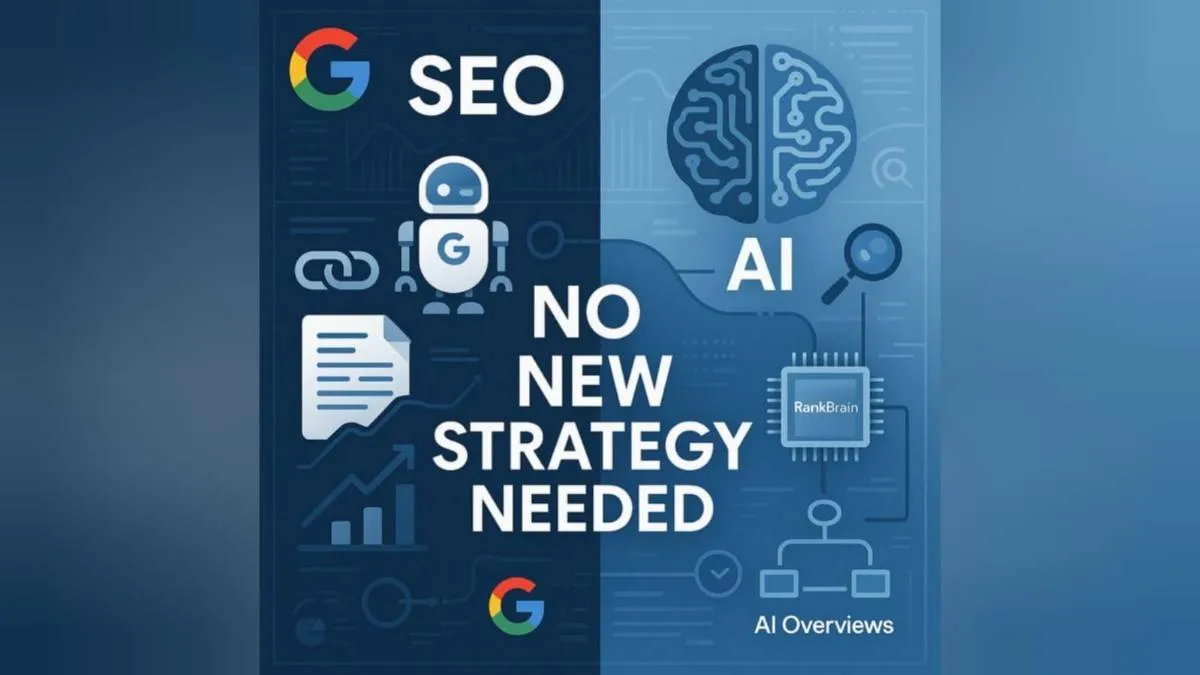
Search engine optimization has a formula that is not unknown to you by now: Go up the rank, get clicks, conversions! But by 2026, AI-fueled search engines are making a fundamental shift in how we learn more about things online.
An ever-growing number of users are getting answers without clicking from a website while AI-generated summaries run to the top of search results. The emergence of conversational AI search, answer engines, and zero-click results has been compelling marketers to rediscover SEO strategies.
So, is SEO dead?
Not at all. But it has evolved.
The Emergence of AI Search and Zero-Click Results
Today, AI search tools analyze several web pages and provide answers at the right place within the search interface. Instead of showing ten blue links, search engines make their explanations, comparisons and step-by-step guides right there and then.
This transition has spurred an upsurge of “zero-click searches,” or inquiries in which users arrive at what they are looking for without visiting a website.
For informational keywords like "What is AI search?" or "How does SEO work?" AI-generated answers meet user's intent almost immediately. As a result, many sites' rankings remain stable while organic traffic declines.
What the problem is now is in not just rank. It is pulling the click — or finding it cited within the AI response.
Why Traditional SEO is losing impact
A few things are altering search performance:
1. AI Summarization: Search engines synthesize information from a variety of sources and provide a single answer.
2. Conversational Search: It lets users refine their queries within an AI chat-style interface rather than flipping
through open pages.
3. SERP Feature Expansion: AI Overviews, featured snippets, People Also Ask boxes push organic links further down.
4. Intent Satisfaction: Informational queries are taken care of in real-time, saving visitors from being on the site.
The old SEO playbook, publish keyword-targeted articles and wait for traffic, is no longer sufficient.
Next Up: The New SEO Strategy
Marketers need to change in the AI search era.
1. Optimize for AI Citations
Structure content so AI systems easily find value with structure. Use:
1. Clear headings (H2, H3)
2. Concise definitions
3. Bullet points
4. FAQ sections
5. Credible data and statistics
The goal is to become a trusted, referenceable, authoritative source.
2. Build Topical Authority
Search engines are attracted to depth, not only quantity, of websites. Develop topic clusters, pillar pages, and interconnected content that demonstrates a specialization in a niche. Authority signals matter more now than one-off keyword rankings.
3. Focus on Original Insights
AI can recapitulate what has gone before, but cannot reproduce first-hand experience. Publish:
1. Case studies
2. Proprietary research
3. Expert interviews
4. Unique data insights
Original content makes citations more likely and leads to higher brand recognition.
4. Promote Commercial Intent Keywords
AI dominates informational queries, while transactional searches still drive clicks. Optimize for:
1. Product comparisons
2. Buying guides
3. Service pages
4. Local SEO
These keywords still have high conversion potential.
5. Strengthen Brand Visibility
As AI packages the web up a bit better, brand awareness becomes quite important. People are more likely to trust and click on sources they know. Make use of thought leadership, email marketing, and multi-platform exposure.
The Bottom Line
AI search is not killing SEO — it is transforming it. Traffic might suffer when it comes to generic content, but the high-authority, experience-rich sites will endure.
The way to the future of SEO is not to pursue keywords. It’s about establishing trust, authority, and structured content that both humans and AIs prefer.
Change now; you won’t merely survive the AI shift– you’ll steer it.