calendar_today Oct 19, 2026schedule 6:21 PMchat_bubble 0
N
News
NEWS CARD
“Trump Waives Russia Oil Tariffs: What It Means for India?”
Read more onattentionindia.com/s/5ba60e
19 Oct 2026
https://attentionindia.com/s/5ba60e
Copied
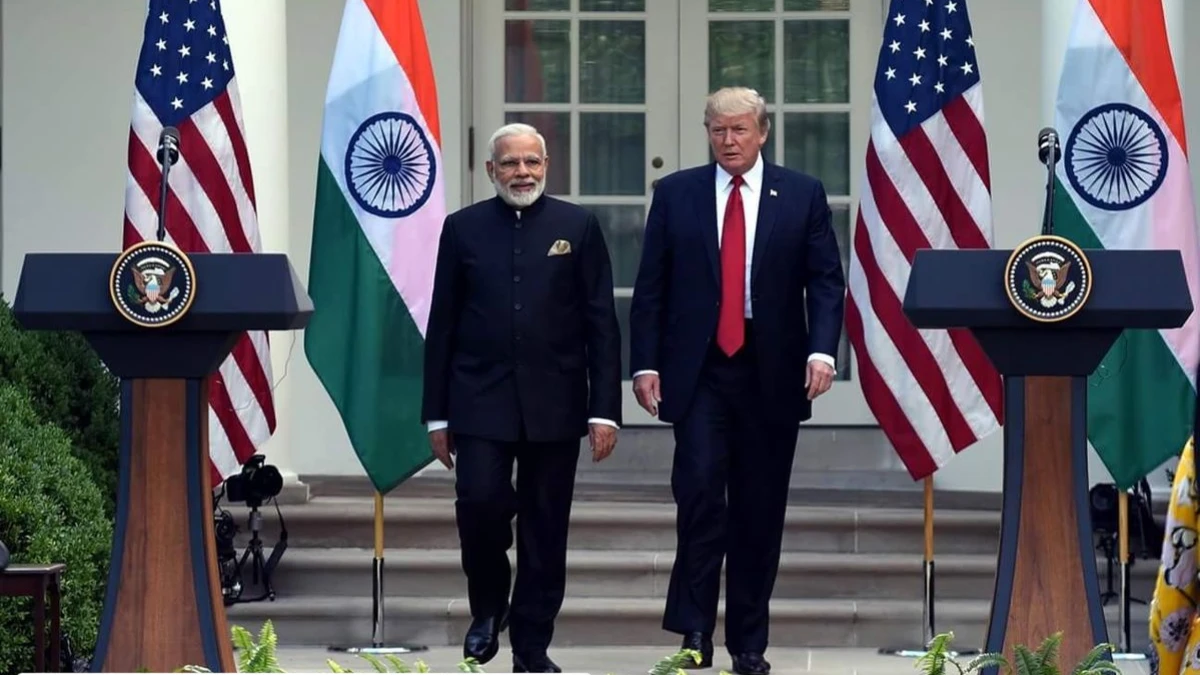
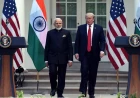
Indian Prime Minister Narendra Modi and US President Donald Trump.
US President Donald Trump has scrapped Russian energy targeted sanctions and levies against countries buying Russian energy, days before they were set to come into force, giving India a brief reprieve.
The relief comes as Washington and New Delhi negotiate a trade deal on the sidelines of which the Russia oil issue has been a sticking point as well as a potential flashpoint.
The President signed the order on Friday, citing provisions in the Lindsey O. Graham Sanctioning Russia and Iran Act of 2026 law, that allows waivers to prevent market disruption and allows time to consider the economic impact of levying tariffs.
Get Featured Today!
Get featured your news, press release, success story and more on Attention India. You can feature on Magazine, Article, Social Media Post, Biography and more.
In a statement, Secretary of State Marco Rubio said the Secretary of State would conduct a 60-day review of the implications of the sanctions and tariffs for the American economy and global markets.
So why did Trump scrap the Russia oil tariffs?
On 18 September President Trump signed the 2026 Lindsey O. Graham Sanctioning Russia and Iran Act law which mandated punitive tariffs on Russian and those who purchase Russian energy, from 18 October unless a waiver was issued.
The newly imposed sanctions allowed for up to a 100% tax on the major Russian oil and gas purchasers, which included India, China, Azerbaijan, Slovakia and Hungary.
President Trump suspended the measures, just weeks ahead of the 3 November elections in the US where his popularity has been weighed down by tightening energy prices and overall negative ratings.
Trump faces pressure from his base to deliver on curbing rising energy prices, which Trump had blamed on Russian oligarchs and monopolies at a recent campaign rally in Ohio.
Had the Trump administration imposed the harsh measures against Russian oil exports, there was a high probability of global energy price shock, and resulting negative implications for Trump.
How could the sanctions waiver affect the India-US trade deal?
The India-US trade deal prospects have looked bleak since the US Supreme Court struck down Washington's Emergency Economic Injury Relief Tariff Act 2022 last month and negated rate cuts scheduled to commence in the 2025 fiscal year on goods imported to the US from India.
The initial agreement in principle in February called for reduction of 50% import tariffs to 18%, with an exemption to energy imports priced at 25% to account for India's purchases of Russian oil.
Suspension of Russia oil tariffs against India should help unlock momentum in Indo-US bilateral discussions, currently dead in the water after the Supreme Court ruling.
India also seeks to obtain more favorable tariffs than nations such as Vietnam, Thailand, Indonesia and Bangladesh.
GTRI experts believe the current relief is useful for the negotiating position of the Indian administration which has sought to balance its energy security needs with the pursuit of a bilateral trade agreement that would benefit India's trade deficit with the US
However, disagreement over market access terms and final tariff levels continues to be a major impediment to a deal.
Is the tariff threat against India gone?
Not exactly, the threat remains even if the immediate danger has passed.
The 60-day Rubio review and the terms of the order are both designed to facilitate a change in American position, while giving Trump and the Senate leverage in the negotiation.
GTRI warned that the waiver provided only 'short-term reprieve' for India, which had decreased its share of Russian imports of crude oil from 51% in July to 44% in August with increased purchases from the US and the UAE.
For New Delhi the immediate priority is to secure its energy needs, but it must balance this against the need to obtain a deal with the US.
The suspension of tariffs is helpful to the negotiations but the spectra of increased levies remains, casting a shadow over the India-US trade deal prospects.
Rahul Varun is an Editor at Attention India, contributing to the development and publication of engaging news and feature stories. He focuses on clear storytelling, editorial quality, and presenting information in an accessible and reader-friendly manner.