Jantar Mantar's changing role in Delhi's protest map

Delhi Police has substituted Jantar Mantar with three venues for protest meetings as questions of free speech, safety and the right to assemble resurface.

Rahul Varun
Rahul Varun Verified Public Figure • 30 Apr, 2026 Editor
Oct 12, 2026 4:57 PM 0
P
Politics
NEWS CARD
Logo
Jantar Mantar's changing role in Delhi's protest map
“Jantar Mantar's changing role in Delhi's protest map”

Favicon
Read more on attentionindia.com/s/844a35
12 Oct 2026

https://attentionindia.com/s/844a35
Google News
Copied
Jantar Mantar's changing role in Delhi's protest map
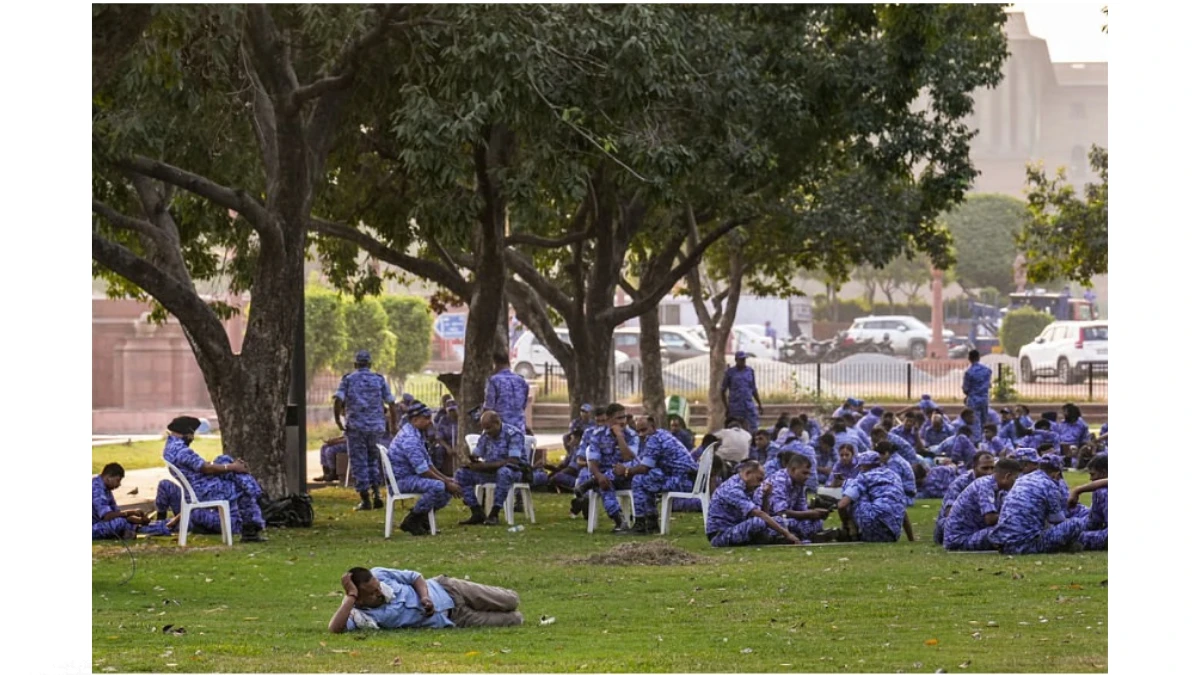
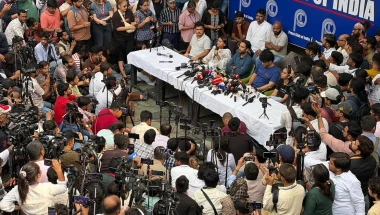
Security personnels are deployed in large numbers near Jantar Mantar

Jantar Mantar, an ancient astronomical observatory, had slowly acquired notoriety as a venue for protest meetings. After the authorities banned agitations near India Gate's Boat Club lawns in the 1980s, Jantar Mantar began to figure as a major protest site from around 1993.

Protesters valued its proximity to the Parliament and government offices. Farmers, trade unions, students, political parties and civil-society groups converged here to voice their dissent and demand action. But the clamour, loose structures, loudspeakers and sanitation issues affected the residents in the locality.


Get Featured Today!

Get featured your news, press release, success story and more on Attention India. You can feature on Magazine, Article, Social Media Post, Biography and more.

Get it Now

Why protests were banned in Jantar Mantar in 2017

The National Green Tribunal (NGT) in October 2017 ordered that demonstrations on Jantar Mantar Road be stopped after people's complaints of noise and air pollution, waste and sanitation, and long-standing occupation of the road.

The tribunal directed that the structures be dismantled and people be shifted to Ramlila Maidan. This spelled an end to Jantar Mantar as a preferred location for agitations, with some saying that the rights of citizens to question the government were being trampled in the name of environment.


Supreme Court says protests cannot be totally banned

The Supreme Court in July 2018 struck off a blanket ban on protests after petitions against the NGT's order. The petitions said that the NGT's orders were against the Constitution's free speech and assembly guarantees (Articles 19(1)(a) and 19(1)(b)).

The court said that protests were the "right of the people" but that they could be regulated by the government with "reasonable restrictions".

 It cautioned against misusing Section 144 of the Code of Criminal Procedure (which empowers authorities to restrict assembly and movement in the public interest) as a tool to gag dissent. The court directed that a set of guidelines be drawn up by the Delhi Police Commissioner for regulating processions at Jantar Mantar and the Boat Club area.


Three sites named as protest venues

Delhi Police on October 12 de-notified Jantar Mantar as a protest site and named Ramlila Ground, Burari Ground and CBD Ground in Shahdara as the alternate venues. After the Supreme Court's order in October 9 observing that a bigger ground with facilities like toilets, drinking water, medical aid and easy access to emergency vehicles would have to be identified, it was suggested that more spacious grounds in Delhi should be considered.

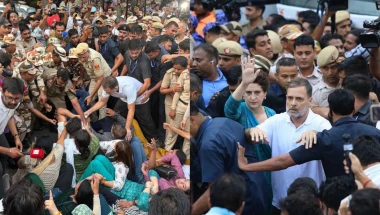
Protests erupted after the police refused permission to the Cockroach Janata Party and some other groups to demonstrate on October 10 against Chief Election Commissioner Gyanesh Kumar's alleged "manipulations" of the electoral rolls and demanded his resignation.


Will the new sites ensure dissent voices are heard?

The new guidelines have to weigh several factors, including safety and the nuisance factor to residents, but accessibility and proximity to the seat of power are important to small-time agitators.

The Supreme Court's 2018 verdict remains a key touchstone -- protests may be regulated but not totally banned. How far the new sites will go in fulfilling dissent needs depends on the facilities and permissions. The de-notification could be challenged in the Supreme Court too.

favorite Follow us for the latest updates:
Author
Rahul Varun

Rahul Varun Verified Public Figure • 30 Apr, 2026 Editor

Rahul Varun is an Editor at Attention India, contributing to the development and publication of engaging news and feature stories. He focuses on clear storytelling, editorial quality, and presenting information in an accessible and reader-friendly manner.
history Digital Archives

View Full Library chevron_right

Follow Us

keyboard_arrow_up
podcasts Podcast amp_stories Web Stories local_fire_department Trending person_book Biography mark_email_unread Newsletter