
Centre Bans High Dose Nimesulide Tablets Over Liver Risk, Safer Options Available
Centre bans high dose nimesulide tablets above 100 mg due to liver risk concerns, urging safer pain relief alternatives across India.
 Aryan K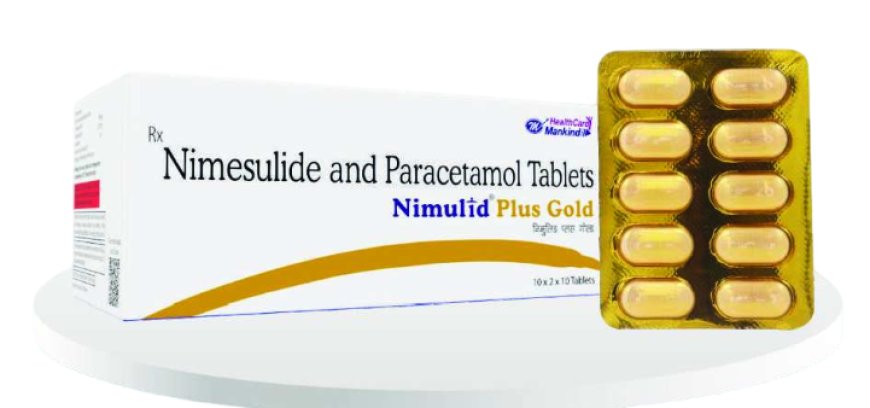
New Delhi[India] December 31: Nimesulide tablets were easy to find in local chemist shops across India for years. People used them for fever, body pain and joint pain. It could also be used for even toothache. Why did it become so popular? Doctors once felt it worked fast. Patients felt relief quickly. Over time, it became a familiar name in middle class households. But this medicine also carried a long history of medical debate. Many experts quietly raised concerns. Was the relief coming at a cost? The question stayed alive in medical circles for decades. Now, the government has finally acted.
Also Read: JPCC plans major push for Delhi rally against SIR policies on December 14
What Exactly Has the Centre Banned and Why Now
The central government has banned oral nimesulide medicines that contain more than 100 mg. The ban applies immediately across all states and Union Territories. Manufacture, sale, and distribution are all stopped. Why such a strong step? Officials say higher doses may harm human health. They also pointed out something very important. Safer medicines for pain and fever already exist. So why keep risky options on shelves? The decision was taken under the Drugs and Cosmetics Act. Expert bodies were consulted before issuing the order.
Liver Safety Concerns That Followed Nimesulide for Years
This ban did not come out of nowhere. Nimesulide has been under watch for a long time. Medical reports linked it to liver injury in some patients. Elevated liver enzymes were seen after use. In rare cases, serious damage was reported. That raised alarms worldwide. The World Health Organization never listed nimesulide as an essential medicine. Several countries restricted or removed it. Indian regulators also reviewed it many times. The risk was higher when used for long periods or in high doses.
Also Read: Al Falah University Fraud Probe Reveals ₹415 Crore Fake Education Scam
Why Experts Prefer Paracetamol Today or Ibuprofen
Doctors now often suggest paracetamol. They also say ibuprofen can be used instead. Why these medicines? They have a longer safety record. Their side effects are better understood. When used in correct doses, they are considered safer for most people. Indian medical bodies have supported this view. The government also noted this while banning high-dose nimesulide. The message is clear. Relief from pain should not damage vital organs. Using the lowest effective dose for the shortest time matters more than ever.
What This Decision Means for Patients and Chemists
So what should people do now? First, you do not need to panic. Lower dose nimesulide is still under watch. It is not fully banned. But self medication is a bad idea. Chemists must remove high-dose versions immediately. Patients should talk to doctors before taking pain medicines. This move shows a shift in India’s drug safety approach. Public health comes first. Old habits must change. The government wants fewer medicine-related risks. And families want safer healing, not silent harm.
Stay Tuned to Attention India for more Updates!