Nepal Rejects Third-Party Role in Border Issue With India (65)
Nepal rejects third-party involvement in its border dispute with India, stressing bilateral talks after PM Balen Shah's remarks spark controversy.

Rahul VarunVerified Public Figure • 30 Apr, 2026Editor
calendar_today Jun 11, 2026schedule 2:41 PMchat_bubble 0
I
International
NEWS CARD
“Nepal Rejects Third-Party Role in Border Issue With India (65)”

Read more onattentionindia.com/s/9b1e6d
11 Jun 2026

https://attentionindia.com/s/9b1e6d
Copied
Nepal has reiterated that its border dispute with India will be resolved through direct talks between the two countries without involving any third party.
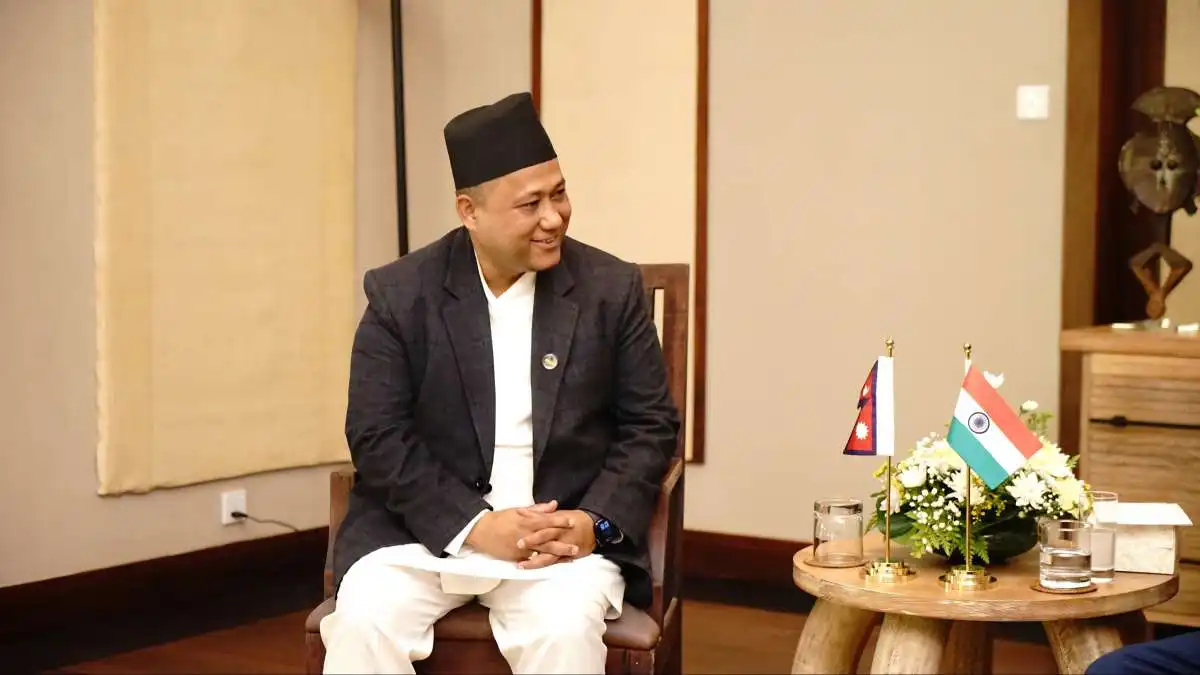
The statement was made by Nepal's Foreign Minister Shishir Khanal after recent remarks by Prime Minister Balen Shah triggered political debate. Shah had suggested that China and the United Kingdom could have a role in addressing the long-standing border issue between Nepal and India.
Speaking in Parliament, Foreign Minister Shishir Khanal emphasized that Nepal remains committed to resolving all border-related matters through diplomatic dialogue and negotiations with India.
Get Featured Today!
Get featured your news, press release, success story and more on Attention India. You can feature on Magazine, Article, Social Media Post, Biography and more.
He stated that the Nepal-India border dispute is a bilateral issue and should be addressed based on historical treaties, agreements, and maps while maintaining the strong relationship between the two neighboring countries.
Khanal also clarified that Nepal has not requested mediation or intervention from any third country.
Why Did Balen Shah's Remarks Spark Controversy?
The controversy began after Prime Minister Balen Shah revealed that Nepal had been in contact with both China and the United Kingdom regarding the border dispute, including the sensitive Lipulekh Pass issue.
Shah argued that since the dispute dates back to the era of British India and the Sugauli Treaty, Britain could provide valuable historical records that may help in understanding the issue.
His comments quickly drew criticism from opposition leaders in Nepal and raised concerns in India.
Nepal Explains Prime Minister's Statement
Khanal later clarified that Shah's comments were not intended as a request for foreign mediation.
Instead, he explained that the Prime Minister was referring to the possible use of historical documents from the Sugauli Treaty period as supporting material for ongoing technical studies.
The Foreign Minister stressed that existing Nepal-India border mechanisms and technical committees are already working together to resolve pending issues.
Joint Border Mapping Underway
Nepal and India are currently carrying out joint surveys and mapping exercises in areas where border disputes and encroachments have been reported.
Officials from both countries are working to maintain border pillars, collect data, and identify cases of encroachment in the Dashgaja (No-Man's Land) areas along the border.
Khanal said detailed findings will become available once the technical teams complete their work.
India's Strong Response
India has also reiterated that all issues related to the India-Nepal border should be resolved directly between the two countries.
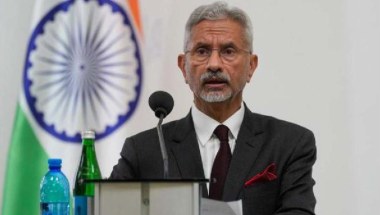
External Affairs Ministry spokesperson Randhir Jaiswal stated that there is no role for any third party in bilateral matters involving India and Nepal.
He added that nearly 98 percent of the India-Nepal border has already been demarcated, while a few sections remain unresolved due to geographical changes and localized border concerns.
What Lies Ahead?
Despite the recent controversy, both India and Nepal appear committed to addressing the remaining border issues through existing diplomatic and technical mechanisms.
With joint mapping efforts underway and both governments emphasizing dialogue, the focus remains on finding a mutually acceptable solution without external involvement.