Bangladesh's Iron Lady Khaleda Zia Dies at 80: End of Begums' Battle, Legacy of Sovereignty vs India
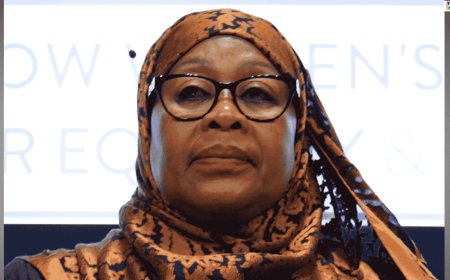
Bangladesh’s first female prime minister, Khaleda Zia, died of a long-term illness on Tuesday, her opposition Bangladesh Nationalist Party (BNP) said.
 Aadrika Tayal
New Delhi (India) December 30: Former Bangladesh prime minister Khaleda Zia — who was one of the front-runners in next year's general election — died from a long period of illness early Tuesday. Zia was being treated for infections in her heart and lungs but also had pneumonia, national dailies indicated.
The Battle of the Begums
For several years, politics in Bangladesh revolved around the bitter rivalry between Khaleda Zia and her rival, Sheikh Hasina — which would eventually be described as the "Battle of the Begums", an honorific in South Asia for a powerful woman.
The hatred stems from the 1975 coup and assassination of Hasina’s father, independence leader Sheikh Mujibur Rahman, and most of her family.
Zia was one of two women who have ruled Bangladeshi politics in the past 30 years.
The other is Awami League leader Sheikh Hasina, a five-time prime minister whose government was overthrown in August 2024 amid violent protests over a jobs quota system.
Trailblazing Terms as PM
Begum Khaleda Zia was Bangladesh’s first woman Prime Minister, serving two terms a decade apart — 1991 to 1996 and 2001 to 2006 — as Chairperson of the Bangladesh Nationalist Party. She is also attributed to the replacement of the country's presidential system with a parliamentary one — so that the prime minister comes to take control of the country.
She had faced corruption cases she claimed were politically motivated, but in January 2025, the Supreme Court exonerated Zia in the last round of corruption cases against her, allowing her to contest in February’s election.
Tense Ties with India
Representing her BNP as a 'protector of Bangladesh's interests', Zia is perceived to have characterized policies as defence against Indian domination at a 2018 Dhaka rally, after Hasina became Prime Minister of Bangladesh and she the LoP, for instance, Zia ripped Hasina’s rule over the exemption of India from paying transit duties.
As Prime Minister Khaleda Zia refused India transit rights through Bangladeshi territory to northeastern states, claiming it was against her country’s security and sovereignty. She also called Indian trucks' toll-free use of Bangladeshi roads ‘slavery’. She also condemned renewing the 1972 Indo-Bangladesh Friendship Treaty, which many perceived as strategically important from a military perspective, claiming it had once again ‘shackled’ her country.
Thaw in India Relations Post-2012
The relationship between Zia and India had changed after 2012 — after a visit to Delhi to meet then-Prime Minister Manmohan Singh. Among the headline points from that visit were a pledge that future BNP governments would fight against terrorist groups operating from Bangladeshi soil in targeting Indian targets.
The trip was largely interpreted as a strategic pivot in BNP policies ahead of the 2014 election at India's invite.