Iran Allows Indian Oil Tankers Through Hormuz Amid Mideast Tensions
Iran has allowed Indian oil tankers to pass through the Strait of Hormuz, a crucial step for New Delhi amidst a growing global energy crisis.


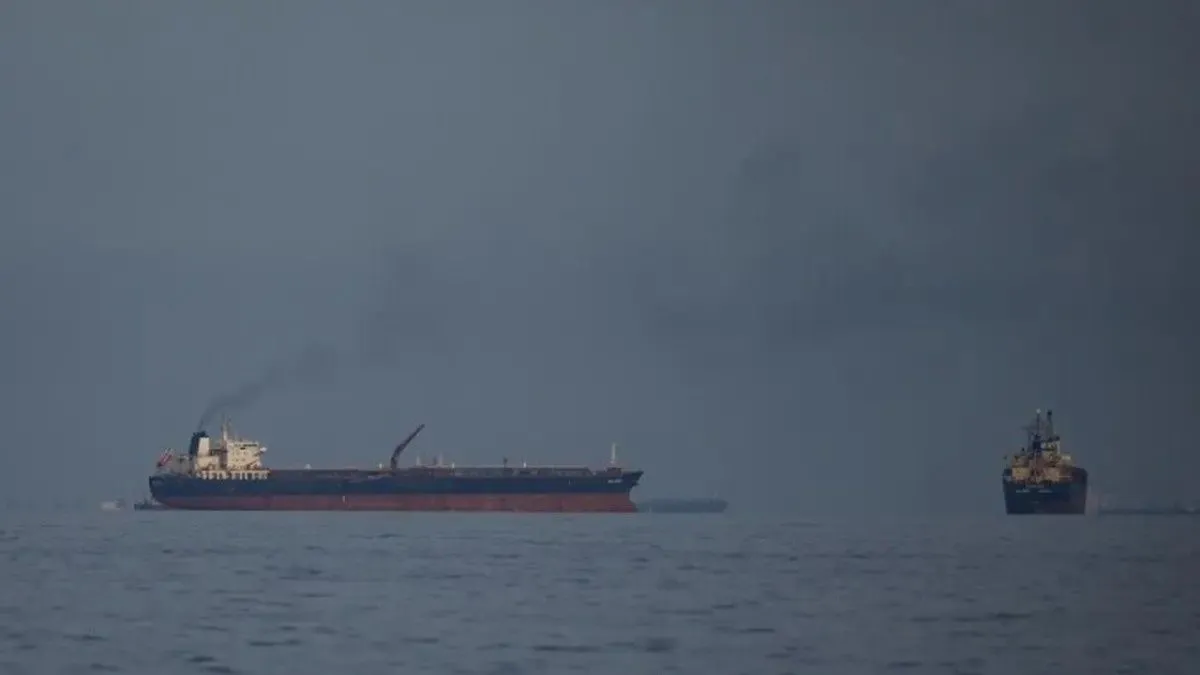

New Delhi (India) March 12:India’s efforts in Middle East diplomacy took a positive turn on Thursday when Iran granted permission for Indian oil tankers to navigate through the strategically vital Strait of Hormuz .
This breakthrough followed discussions between India’s External Affairs Minister S. Jaishankar and his Iranian counterpart, Abbas Araghchi. These talks are part of a broader initiative to ensure a steady flow of energy supplies for India, especially as tensions rise in the region.
Attention India Verified Public Figure Chief Editor
Attention India is an independent digital publication covering news, current affairs, entertainment, lifestyle, and stories of public interest. The editorial team focuses on delivering accurate, informative, and engaging content while maintaining high standards of journalism and editorial integrity.