US may impose tariffs on Indian rice amid domestic farm concerns, economists see limited impact on exports
On Monday, US President Donald Trump indicated the possibility of imposing additional tariffs on Indian rice, stating that the country should not be dumping this commodity into the United States.
 Aadrika Tayal
New Delhi (India) December 9: President Trump has indicated he may be receptive to imposing new tariffs on certain agricultural imports, including Canadian fertilizer and Indian rice, after hearing from farmers, who have complained about foreign products being sold at lower prices than domestically produced goods.
Trump signals tariffs on Indian rice and Canadian fertilizer to protect US farmers
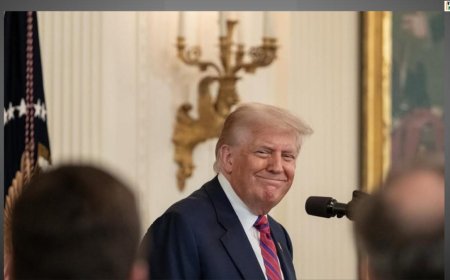
At a roundtable event hosted by the White House where he announced a $12 billion aid program for American farmers, President Trump stated the government will investigate whether any country was "dumping" extremely low-priced rice into the U.S. market.
In addition, President Trump noted that due to the declining price of rice in the U.S. market based on information provided to him from rice producer Meryl Kennedy, President and CEO of Kennedy Rice Mills and 4 Sisters Rice, low-priced rice imports are having a negative impact on domestic rice producers.
Farmers present at the meeting were vocal in asking President Trump to take a strong stand against low-priced rice imports, asserting they are hurting U.S. rice producers and forcing domestic prices lower. President Trump said those suppliers are cheating and suggested tariffs would be implemented.
Trump threatens steep tariffs on Canadian fertilizer
Additionally, he indicated he may consider severe tariffs on Canadian fertilizer to stimulate domestic production.
"A lot of it does come in from Canada, and so we'll end up putting very severe tariffs on that, if we have to, because that's the way you want to bolster here. And we can do it here. We can all do that here” he said.
Experts say tariff threat targets US politics; minimal effect expected on Indian rice exports
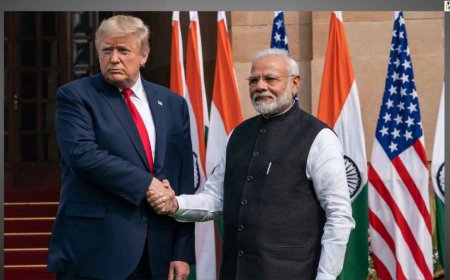
In response to President Trump's statements, Indian traders have criticized him and pointed out that any increase in U.S. tariffs would adversely affect American consumers rather than Indian exporters.
According to experts, the threat issued by US President Donald Trump to implement further tariffs against Indian rice appears to be more for a political audience within the United States than it does to represent any substantive policy change.
According to an analysis by the Global Trade Research Initiative on the current situation regarding Indian rice, even if the United States were to impose new tariffs, the overall impact on Indian exporters would likely be minimal because global demand will continue to remain strong. The analysis indicates that American families who consume Indian rice will likely bear the brunt of the tariffs through increased prices at their local supermarkets.